ABOUT OUR ISLANDS
CULTURE & HISTORY
Come explore a place as rich in culture as it is in beauty.
Culture and Customs
The Unique Sound of the U.S. Virgin Islands ... and the Accompanying Dance
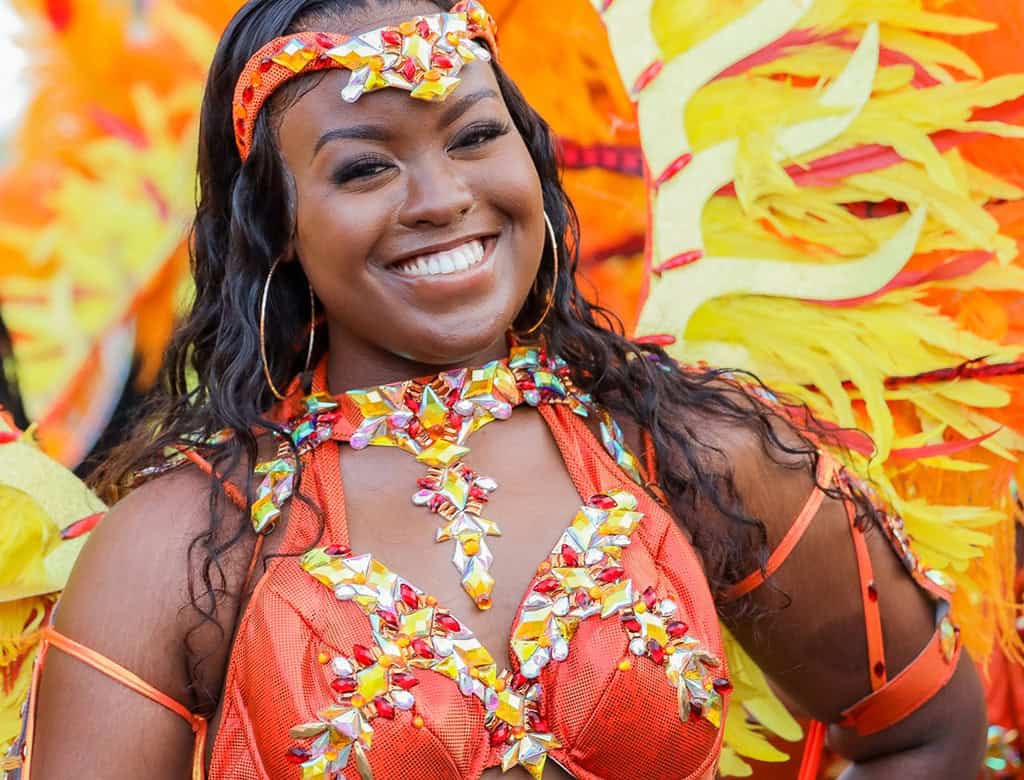
Carnival
A Taste of the Island
A Brief History of the U.S. Virgin Islands
Historians document that the first inhabitants, the
Ciboneys, arrived on the islands during what is considered the
Pre-Ceramic Culture. Arawaks were the next to arrive, establishing
sites on St. John and St. Croix around 100 AD. Probably the best-known
inhabitants, and those to arrive next, were the savage Caribs and the
more peaceful Tainos. Evidence of their time in the islands has been
unearthed in recent years, and includes stone griddles, zemis (small
carvings depicting the faces of their gods) and petroglyphs which are
rock carvings visible on St. John’s Reef Bay Trail.
The Caribs had taken control of St. Croix, then called Ay Ay, when
Christopher Columbus sailed into Salt River on his second voyage in
1493, claiming the islands for Spain. The battle between the Indians
and Columbus is considered the first insurgence in the New World. After
renaming the island Santa Cruz, Columbus headed north where he spotted
a chain of islands. He proclaimed they would be called Las Once Mil
Virgenes (11,000 virgins) in honor of Ursula, martyred by the Huns for
refusing to marry a pagan prince.
The demise of the islands’ first residents, the Indians, was evident
when the first Europeans after Columbus arrived in the late 1500s. Many
countries expressed interest in the islands in the 1600s, including
Holland, France, England, Spain, Denmark and the Knights of Malta. But
it was the Danes who established the first settlement on St. Thomas in
1672, expanding to St. John in 1694. St. Croix was added to the Danish
West India Company in 1733, and plantations soon sprung up all over the
islands.
A treaty with the Dutch of Brandenburg in 1685 established St. Thomas
as a slave-trading post. More than 200,000 slaves, primarily from
Africa’s west coast, were forcibly shipped to the islands for the
backbreaking work of harvesting cane, cotton and indigo. St. John and
St. Croix maintained a plantation economy, while St. Thomas developed
as a trade center. Stripped of their dignity and freedom and fed up
with the harsh conditions, in 1733 slaves attacked St. John’s Fort
Frederiksvaern in Coral Bay, crippling operations for six months. In
1792 Denmark announced the cessation of the trade in humans. Freedom
was not granted to slaves until 1848, when Moses “Buddhoe” Gottlieb led
a revolution on St. Croix, 17 years before emancipation in the United
States.
After the freeing of slaves and the discovery of the sugar beet,
agriculture in the islands declined. The industrial revolution ended
the need for the islands as a shipping port, thus changing the economic
environment. Little was heard of the islands until World War I, when
the United States realized their strategic position and negotiated the
purchase of the islands from Denmark for $25 million in gold. Although
the islands were purchased in 1917, it wasn’t until 1927 that
citizenship was granted to Virgin Islanders. The Organic Act of 1936
allowed for the creation of a senate, and from there the political
process evolved. In 1970, the U.S. Virgin Islands elected its first
governor, Melvin H. Evans.
Tourism grew in the destination once the United States imposed an
embargo on Cuba in 1959. Today, the USVI is a thriving destination for
visitors in search of the perfect vacation.
Culture and Customs
The U.S. Virgin Islands is a paradise with so much
more to offer than the traditional beach vacation. Visitors wishing to
immerse themselves in a profound cultural experience can enjoy
historical tours, culinary encounters, artisan fairs, parades,
storytelling and other special presentations.
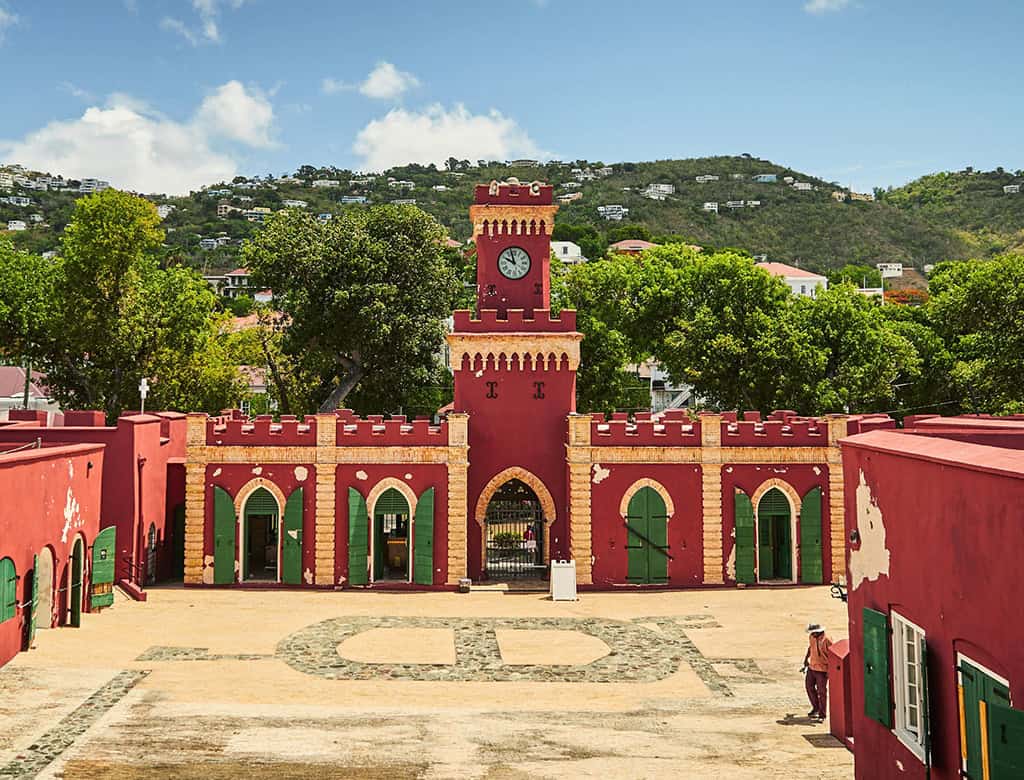
Walking tours on St. Thomas and St. Croix feature the diverse
architecture, evidence of nations that colonized the islands in the
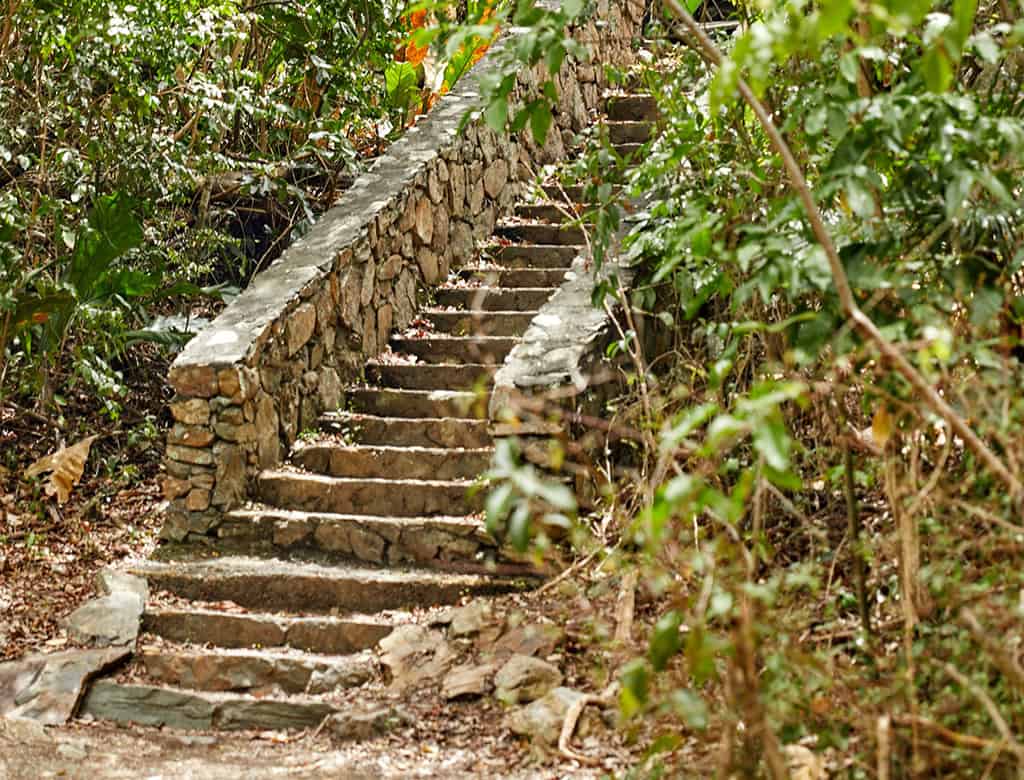
17th and 18th centuries. If you’re feeling energetic, walk one of the
many street steps, the most famous being the 99 steps on St. Thomas, a
common way of getting to higher ground.
Your cultural journey continues with a look at the life and creations
of artisans and crafters who earned a living creating functional and
decorative pieces. Restored greathouses now serving as museums, like
Haagenson House on St. Thomas and Whim Museum on St. Croix, preserve
this past, displaying masterfully created mahogany pieces, delicate
linens and original art. Local craft cooperatives, art galleries and
artist colonies present the works of today’s tradition-bearers.
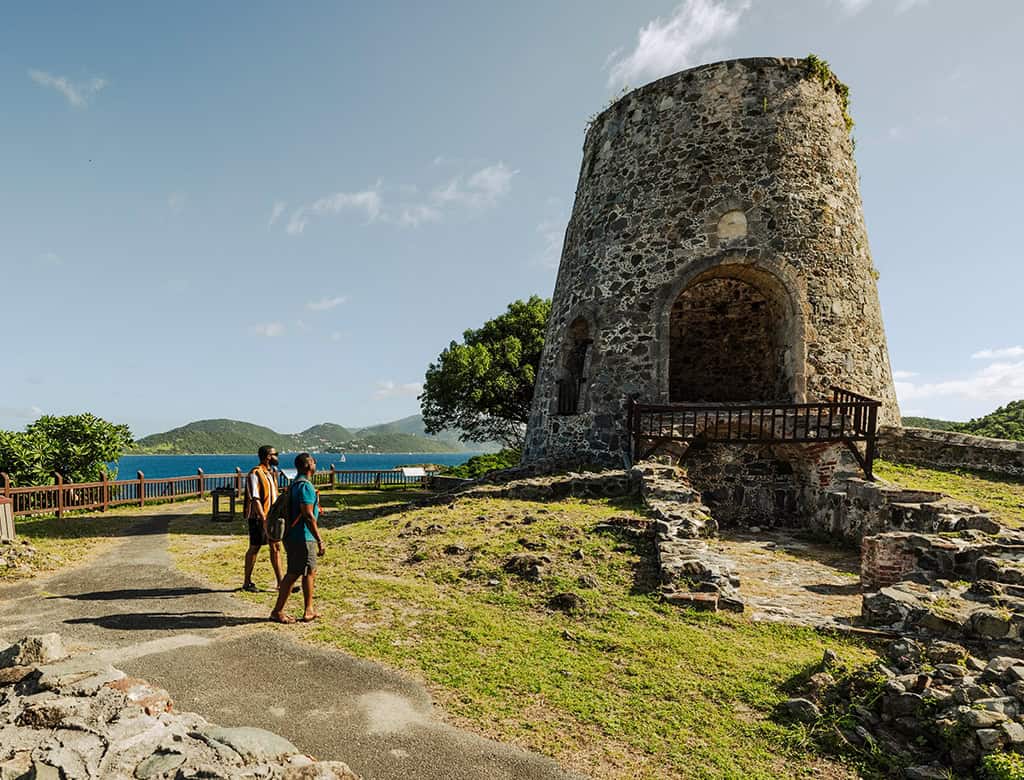
Annaberg Plantation ruins in St. John’s National Park offers daily
cultural demonstrations, including cooking the old-fashioned way – on a
coal pot over an open flame.
The Unique Sound of the U.S. Virgin Islands ... and the Accompanying Dance
In 2003, the Legislature passed a bill proclaiming
"Quelbe, the vocal and instrumental style of the Virgin Islands' folk
music which traces its ancestry to Africa and Europe. Quelbe is a
fusion of bamboula rhythms and chants, cariso songs and melodies, and
the official traditional music of the Virgin Islands."
Historically speaking, the scratch band sound that is Quelbe was
created by slaves, self-taught musicians who made their own instruments
and who lived and worked on sugar plantations. Since strict Danish laws
forbade drum beating and dancing, slaves incorporated European sounds
and dance steps into their practices. The newly created rhythmic styles
produced “persuasion bands” that used homemade bamboo flutes, bass
drums, steel triangles and squash (a dried gourd, grooved and scraped
with a wire prong) to produce the sound. As they evolved musically and
instrumentally, a new kind of music was born. Instruments changed
through the years, including the addition of a guitar, tambourine, the
"pipe" (an old tail pipe) which replaced the bass drum and the ukulele.
The music offers commentary on such things as current events, cheating
spouses and rum smuggling in ladies pantaloons. Modern-day Quelbe or
scratch bands have an additional instrument or two and enjoy more
popularity today.
Since African dance was also prohibited by plantation owners, slaves
copied and adopted the Europeans' quadrilles, lancers, jigs, mazurkas,
schottisches and other dances, giving them their own interpretation.
The popular French quadrille was loved because of its hip swaying and
rhythmic steps. Today’s dancers wear madras costumes and handmade head
ties. Groups like the St. Croix Heritage Dancers, who dance the French
form of quadrille, perform with local Quelbe bands at special events
and dances.
Carnival
It's the biggest party of the year, and each island
has its own. St. Croix's Christmas Festival starts in December with an
adult's parade on Three Kings Day. St. Thomas's carnival culminates in
the final week of April. St. John’s celebration is Fourth of July week.
The first carnival was staged in 1912 during the final years of Danish
occupation and lapsed during World War I. Revived in 1952, carnival has
become the second largest festival in the Caribbean. A month-long
series of dazzling pageants and talent shows is held to choose royalty
to rein over the festival. Fun events such as a boat race, Greased Pig
Contest and Toddlers Derby entertain everyone at the festivities. A
series of elimination contests to crown top performers are called
Calypso Tents. Calypsonions offer satirical commentary on the state of
the islands, oftentimes mocking the shenanigans of politicians. Other
popular events held during Carnival is j'ouvert, a morning jump up, a
food fair presenting the islands’ best traditional eats and a
competition to crown the King and Queen of the parade troupes. A
children's and adult’s parade close the lively month with brilliantly
costumed and decorated troupes and floats.
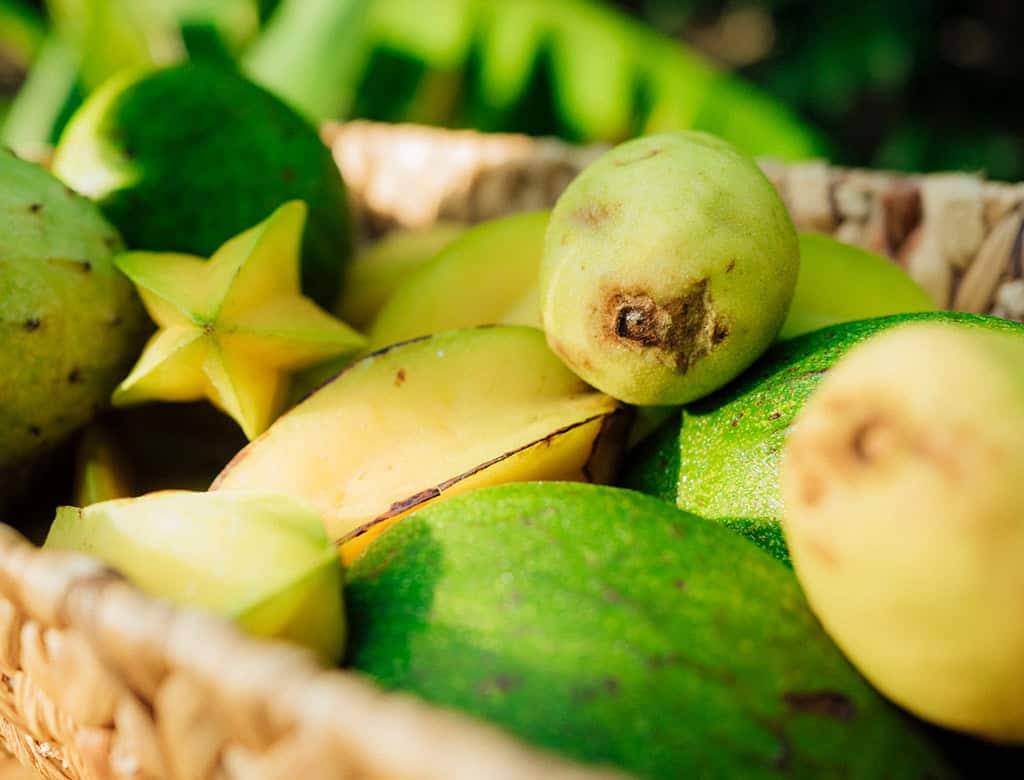
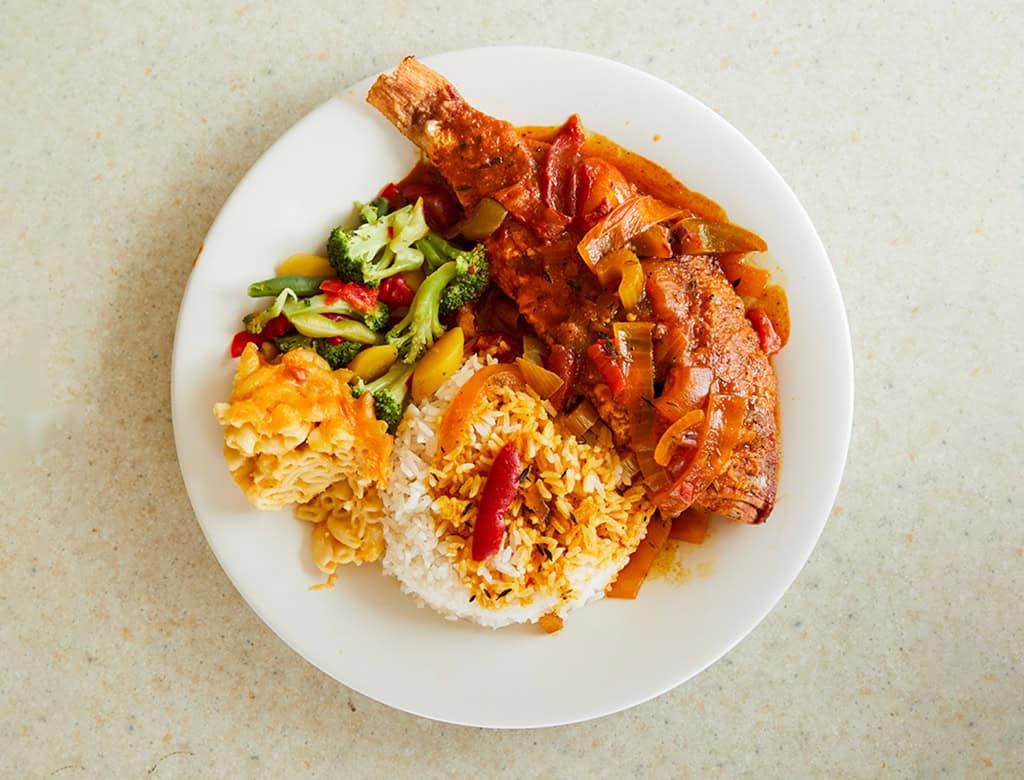
A Taste of the Island
Visit one of our local restaurants where recipes are handed down
through generations. Some of our favorites include pumpkin fritters,
kallaloo (relative of gumbo), potato stuffing (try it for Thanksgiving)
and, for a truly different dessert, red grout (a tapioca dish
introduced by the Danes).
Pumpkin Fritters
1 ½ cups mashed pumpkin
¼ cup sugar
¼ teaspoon salt
1 teaspoon vanilla essence
1 teaspoon baking powder
1 ¼ cup milk
1 cup all-purpose flour
Oil for deep frying
Remove seeds and stringy fibers from center of pumpkin. Cut the pumpkin
to smaller pieces for quicker boiling. Place in a pot and cover with
water. Boil until pumpkin is fork tender. Drain water and scoop out
pumpkin from outer shell. Mash with a fork. In a mixing bowl, combine
pumpkin, sugar, salt, vanilla, baking powder, milk and flour and stir
until ingredients are combined. An electric mixer is not recommended.
Drop by the teaspoonfuls into hot oil and fry 1 to 2 minutes on each
side. Drain on paper towels. Makes 12 fritters. Per fritter: 115
calories, 6 grams fat, 3 milligrams cholesterol and 86 milligrams
sodium.
Kallaloo
“Kallaloo is for good luck in the New year, especially for lovers”,
said Arona Peterson, local food expert and author of Food and Folklore
of the Virgin Islands. “The old folks believed that if you served
kallaloo to your loved one on Old Year’s night, there would be a
wedding by June.”
½ pound salted meat—pigtail or salt beef
Water
Ham bone if available; a common substitute is smoked turkey
1 (10 ox.) package frozen cut okra
½ large onion
Seasoning (thyme, celery, parsley—about 1 teaspoon each)
1 cup boned fish (a white fish with skin is preferable), fried
1 clove garlic
½ hot pepper (scotch bonnet works well)
1 (10 oz.) frozen chopped spinach
Soak salted meat in water for a few hours. As with the fritters, your
world market may have pig tail. If it isn’t salted, there is no need to
soak it. Wash and cover with water. Bring to a boil. Lower heat and
cook until tender. In the meantime, fry fish and allow to cool. Remove
meat from water and set aside. Add water to half full level. Put in the
ham bone or smoked turkey and okra. Add onions, seasoning, garlic, hot
pepper, boned fish and spinach. Let simmer for an hour until mixture
has stew consistency. Return meat to stew and simmer for another ½
hour. This stew is generally served with fungi, a cornmeal dish similar
to polenta. I think a round or two of polenta would work just fine.
Serves 8. Per one cup serving, 155 calories, 2 grams fat, 43 milligrams
cholesterol and 307 milligrams sodium.
Potato Stuffing
This is such a favorite it’s served with everything except fish. It makes a great surprise for your Thanksgiving dinner.
6 large white potatoes
4 tablespoons tomato paste
1 small onion, minced
¼ cup sugar
2 stalks celery
1 medium green bell pepper, minced
1 teaspoon hot pepper, minced
¾ cup vegetable oil
1/3 cup raisins
3 sprigs parsley
1 tablespoon salt
2 teaspoons thyme, chopped
1 teaspoon Spanish olives
1 teaspoon Worcestershire sauce
Peel and cut potatoes and boil in salted water. When tender, drain
water and mash. Add cooking oil to a pan and sauté raisins, olives,
onion, green pepper and celery until translucent. Add Worcestershire
sauce, pepper and sugar. Pour this mixture, in batches, into mashed
potatoes. Some oil may remain which can be discarded. Spoon stuffing
into a greased baking pan and bake in 350-degree oven for about 25
minutes.
Red Grout (Rodgrod)
There’s no doubt it was inherited from the Danes. Locally, it was
traditionally served on Transfer Day (March 31). We enjoy the dish
whenever we have a taste for it.
2 pints guavas with skins and seeds
¼ teaspoon salt
¼ cup quick cooking tapioca
2 cups water
1 cup sugar
1 teaspoon vanilla essence
Dash of mace
Dash of nutmeg
Dash of cinnamon
Wash fruit. Peel and cut up guava. Place in pan with 1 1/2 cups water.
Simmer covered for 20 minutes. Strain. Save shells for later use.
Measure liquid, adding enough water to make 2 ½ cups of liquid. Add
sugar, salt and bring to a boil. Stir constantly. Mix tapioca in ½ cup
of water and add slowly along with spices. Bring to a boil once more,
stirring constantly. Remove from the heat when tapioca grains are
clear. Add vanilla essence. Pour into a ceramic container or individual
ramekins. Serve with heavy cream.